Background to the SO LONG COVID podcast
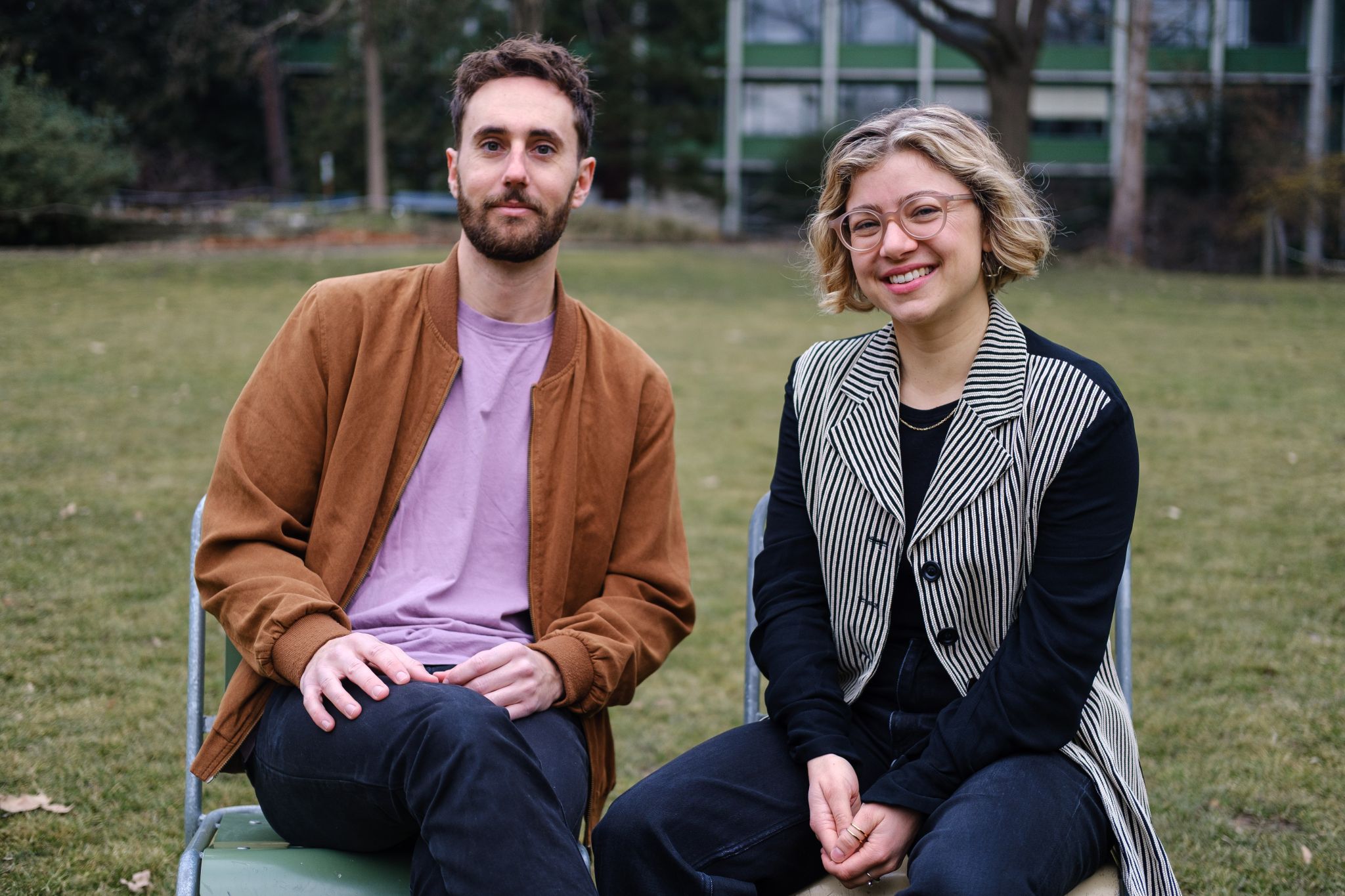
SO LONG COVID is an independent research project
by Jann Zosso and Zita Bauer
ABOUT THE PODCAST
The Covid pandemic is over and life has returned to normal — but not for everyone. Jann, Jasna, Marlen and Patricia are among the estimated 300,000 people in Switzerland with Long Covid. Fatigue, exercise intolerance, muscle pain and cognitive problems severely restrict their everyday lives and their condition is considered incurable.
And yet there are people who recover completely — including Jann, Jasna, Marlen and Patricia. What can we learn from them? Is the situation for people affected really as hopeless as it seems? Jann, Jasna, Marlen and Patricia did not recover by chance, but on the basis of a new understanding of illness.
In this podcast series, we explore findings from modern pain medicine and neurobiology that are also relevant to other chronic conditions, such as back pain, migraine or irritable bowel syndrome. These new approaches no longer merely alleviate symptoms, but open up new perspectives — all the way to full recovery. So why are these approaches spreading only slowly? And what could this new knowledge mean for the medicine of the future?
HOW IT ALL BEGAN
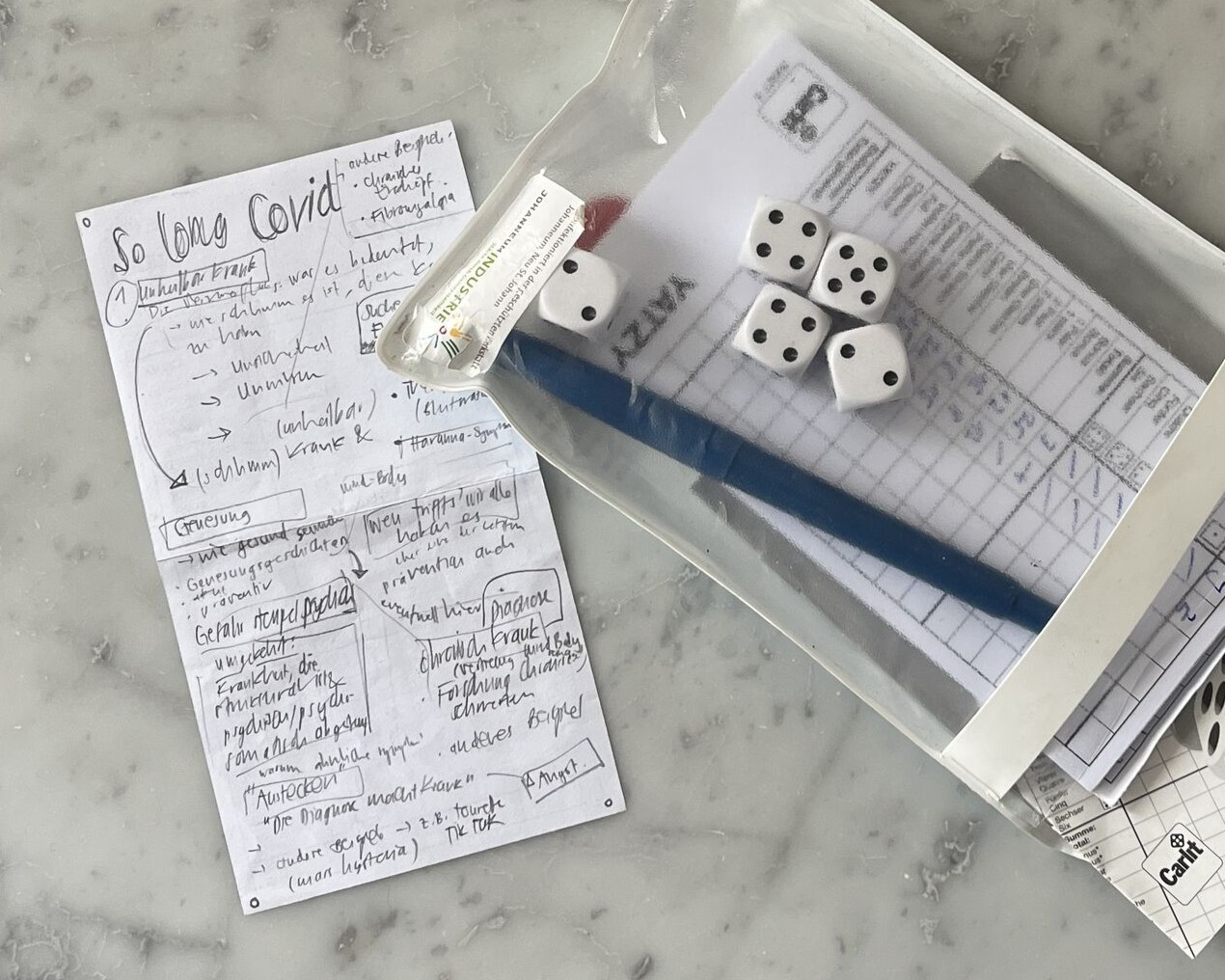
Jann had Long Covid himself and recovered with the help of a new understanding of illness and therapeutic approaches derived from it. Because we had discovered these resources more or less by chance at the time, and because most of them were available only in English, we wanted to help make this knowledge accessible people in German-speaking regions. During a cycling trip through Brittany in late summer 2024, when Jann was well on his way to fully overcoming Long Covid, we listened to Dan Taberski's storytelling podcast Hysterical. We loved it: a controversial subject told with such momentum, close to the protagonists and accompanied by memorable music that repeatedly gave us goosebumps. Slightly carried away by our ambition, we knew: this was how we wanted to tell our story. On that holiday, we scribbled a first outline on a Yahtzee score sheet.
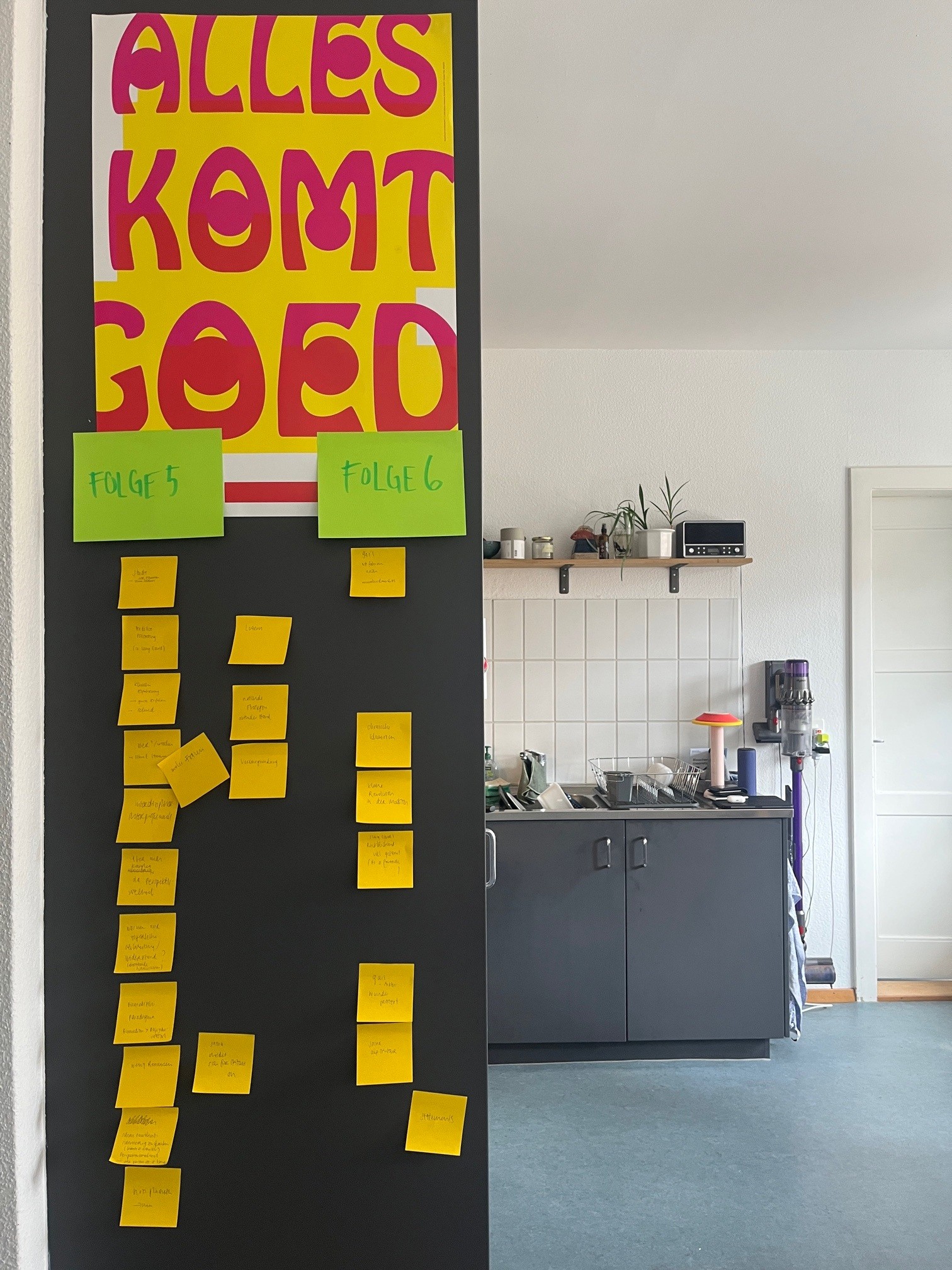
An intensive period of research followed. We spoke with numerous people affected by Long Covid, doctors, therapists and researchers. At the same time, we began sharing what we had learned and supporting other people affected — first within our private circles and later increasingly beyond them. Again and again, people contacted us after hearing that Jann had recovered. Jann began writing down his personal recovery story as a first-person account and received many moving responses — most encouragingly, of course, from people who were also able to recover with the help of this new knowledge.
At the same time, we became increasingly aware of the broader
implications of this new understanding of illness. It does not only
concern Long Covid, but also many other chronic conditions that have
so far been considered incurable. Using the same
symptom-reprocessing techniques, Jann was also able to get rid of
chronic neck pain that countless physiotherapists and osteopaths had
been unable to resolve over the years. The same was true of his
recurring stomach problems, which could neither be explained by
gastroscopy findings nor relieved through nutritional counselling
and supplements. And the restless legs syndrome for which Jann had
been told there was no cure
 and that the symptoms were more likely to worsen with age is no
longer an issue either. Around us, however, we know many people
living with chronic back pain, chronic bladder pain (interstitial
cystitis), migraine, fibromyalgia and other symptoms without a clear
structural cause. During our work on the podcast, we heard from many
more. At the same time, we met many people who had been able to
significantly reduce or even completely resolve chronic symptoms
using the same techniques. Their stories are often strikingly
similar: after a long odyssey through the healthcare system,
countless attempts at treatment and growing despair, they discover
this new knowledge more or less by chance.
and that the symptoms were more likely to worsen with age is no
longer an issue either. Around us, however, we know many people
living with chronic back pain, chronic bladder pain (interstitial
cystitis), migraine, fibromyalgia and other symptoms without a clear
structural cause. During our work on the podcast, we heard from many
more. At the same time, we met many people who had been able to
significantly reduce or even completely resolve chronic symptoms
using the same techniques. Their stories are often strikingly
similar: after a long odyssey through the healthcare system,
countless attempts at treatment and growing despair, they discover
this new knowledge more or less by chance.
Doctors in our own circles were also interested in Jann's recovery story and the neuroplastic approach. Many of them treat patients with Long Covid or other chronic conditions themselves and experience the resulting uncertainty and lack of effective options first-hand. In this context, a neuroplastic understanding of persistent symptoms represents a fundamental shift in perspective. Jann also contacted Klinik Gais, which he had attended during his Long Covid illness, and now shares his experience there with people affected. At the same time, we learned that University Hospital Basel is doing pioneering work in this field. Based on the neuroplastic approach, an interdisciplinary team works with patients in a holistic way — not only in the context of Long Covid, but also with other persistent symptoms. Jann's recovery account is regularly shared with patients there.
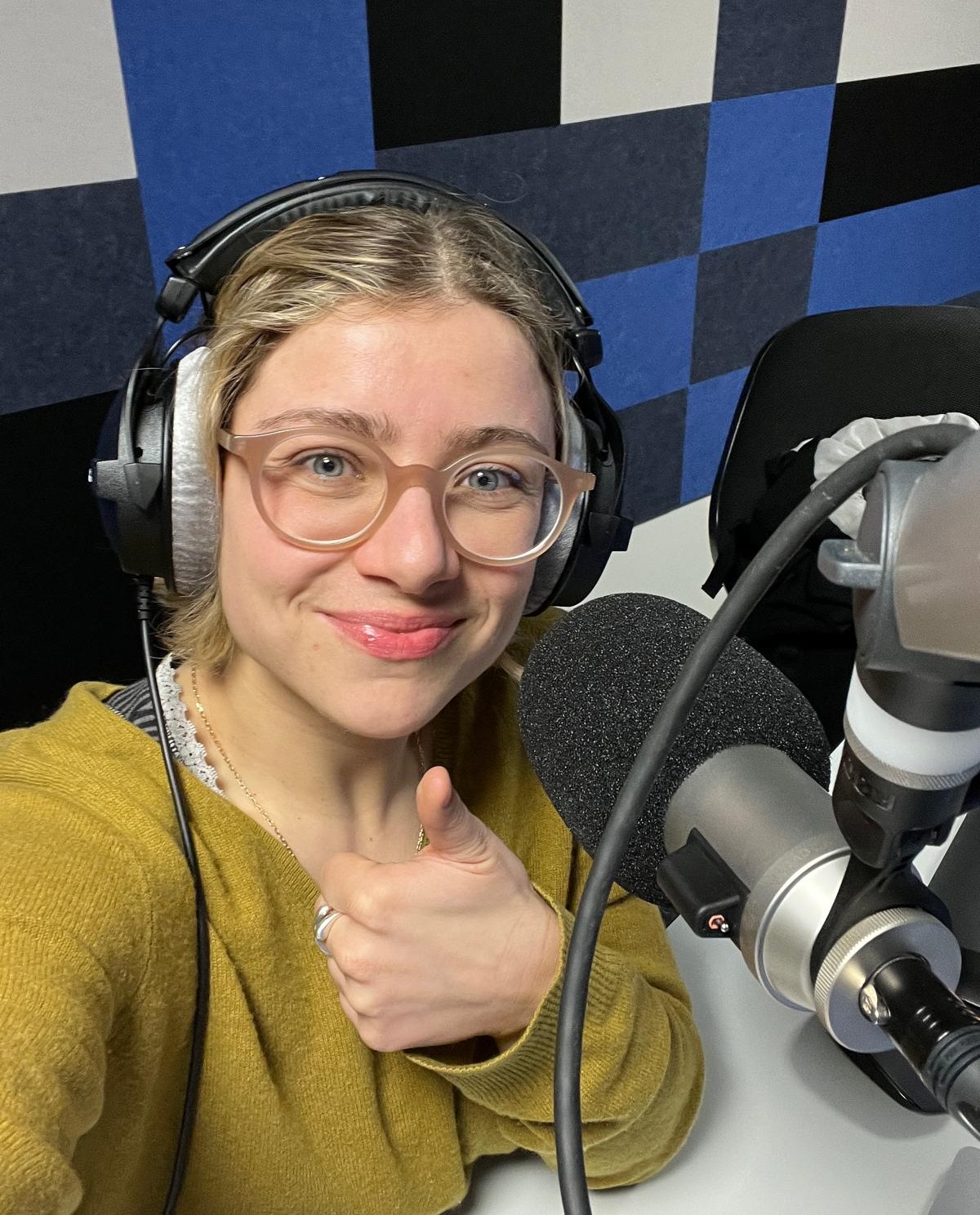
All of these experiences fed into this podcast project, through which we want to make these remarkable recovery stories — and this small revolution in medicine — audible. Personal and, we hope, full of goosebump moments, while at the same time precise and useful. What began as an idea scribbled on a Yahtzee score sheet grew into a full-time job for Zita, supported by an entire team behind the scenes. SO LONG COVID developed into a multi-year, independent research podcast with music composed specifically for the series, its own visual identity and web presence, as well as professional sound design, consulting and communications. It is a project close to our hearts, pursued with a great deal of passion and commitment. Because we are convinced that these stories and this knowledge deserve to be told.
WHY IT MATTERS
Media coverage and professional discussion of Long Covid have so far largely focused on lasting damage, the possibility of permanent limitations and severe individual cases. It is important to draw attention to the difficult realities faced by people affected, to gaps in care, and to the need for action.
At the same time, a growing number of people are recovering even after very severe courses of illness. With this podcast series, we want to broaden the current conversation and tell the stories of people who were able to fully overcome the condition on the basis of a new explanatory framework. Along the way, we explore fascinating findings from neurobiology and recent knowledge from modern pain medicine.
We want to make these promising approaches more visible because, amid the complexity of the condition, they still reach only some of the people affected, their families and friends, and also doctors and medical professionals. And we know from research and our own experience that a predominantly negative narrative can significantly hinder recovery.
The scale of the issue further underlines its relevance: the many people who continue to live with sometimes severe limitations caused by Long Covid, but also the estimated 1.5 million people living with chronic pain in Switzerland — described as “the number one common health condition” in our performance- and productivity-oriented society. The neuroplastic approach opens up new perspectives.